🩺
Your ophthalmologist decides the treatment
Which treatment is medically appropriate for your eye.

A Simple Guide for Patients and Families — understanding cashless treatment, insurance approvals and your hospital’s role.
रुग्ण आणि कुटुंबीयांसाठी सोपी मार्गदर्शिका — कॅशलेस उपचार, विमा मंजुरी आणि रुग्णालयाची भूमिका समजून घ्या.
Prepared for Dr. Bapaye Hospital, Nashik
डॉ. बापये हॉस्पिटल, नाशिक यांच्याकडून रुग्णशिक्षणासाठी
Which treatment is medically appropriate for your eye.
How much of that treatment is payable under your policy.
The hospital can recommend treatment, prepare medical documents, submit requests and speak to the insurer on your behalf. However, the hospital cannot force an insurance company to approve a claim or increase the approved amount.
This does not mean that the hospital is leaving you to deal with the insurer alone. Our hospital team will guide and assist you as far as possible.
Every health insurance policy is different. Two patients undergoing the same eye surgery may receive different approvals because their policies may have different:
Therefore, the fact that another patient’s surgery was fully covered does not necessarily mean that your policy will provide the same coverage.
Three parties are involved in every claim — plus a TPA who may process it. Understanding each role removes most of the confusion.
The doctor’s recommendation is based on the condition of your eye — not on what the insurer may or may not pay.
A facilitator between you and the insurer — not the authority that approves or rejects your claim.
Even when a TPA handles the claim, approval is governed by the terms of your insurance policy.
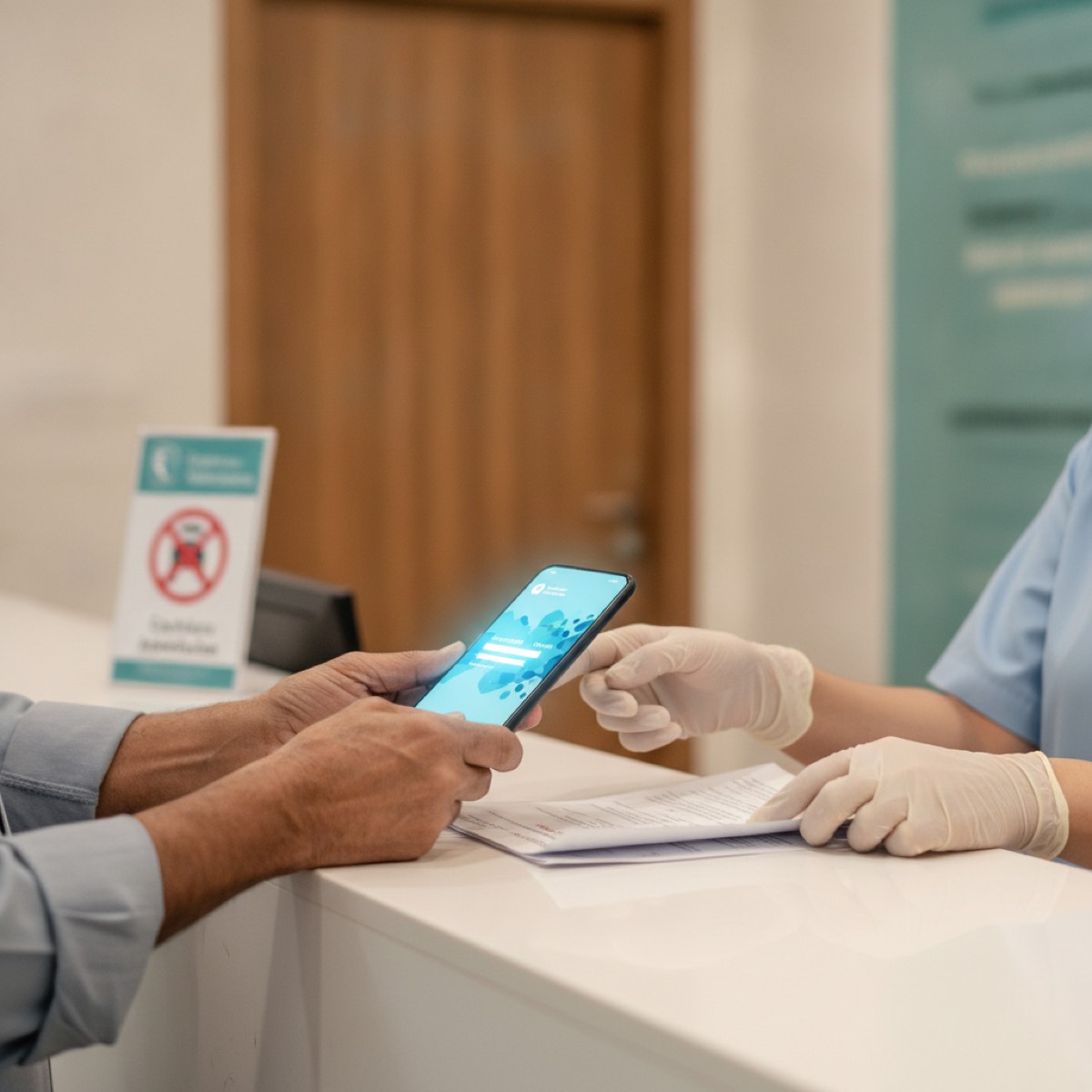
Cashless treatment does not always mean that the patient pays nothing. It means that the insurer pays the eligible and approved amount directly to the hospital. The patient may still need to pay for:
🏦 See our empanelled insurance companies & TPAs — check if yours is covered for cashless at our hospital.
Tap each step to see what happens. The process moves from your eye examination all the way to discharge.
The ophthalmologist examines your eyes and recommends treatment. Investigations may be required to plan safe and accurate surgery.
The hospital prepares an estimated cost based on the planned procedure, lens or implant, anaesthesia, medicines and other expected requirements.
An estimate is not the final bill. The final amount may change if the treatment plan changes or additional care becomes necessary.
The hospital sends a cashless request to the insurer or TPA. It usually includes:
The insurer may approve the full amount, approve only part, approve a fixed package, ask for additional information or previous records, keep the request under review, or decline cashless treatment.
A query does not automatically mean rejection. It usually means the insurer wants more information before deciding.
Once the financial arrangements are understood, treatment proceeds according to the ophthalmologist’s advice and the patient’s consent.
For urgent or sight-threatening conditions, treatment may sometimes need to proceed before the insurance process is completed. The medical urgency should be discussed with your ophthalmologist.
After treatment, the hospital sends the final bill, procedure details and required records to the insurer. The insurer then decides the final payable amount.
The initial approval is normally based on an estimate. The final approval may be different after the insurer reviews the actual treatment and final bill.
The patient pays any amount that is not approved by the insurer. The hospital then completes the discharge process.
Under IRDAI’s health-insurance master circular, insurers are expected to decide cashless authorisation within one hour of receiving the request and grant final discharge authorisation within three hours of receiving the hospital’s discharge request. Insurers must also give policy-based reasons when a claim is rejected or partly disallowed.
However, the overall process may take longer when information is incomplete, the insurer raises queries, previous records are required or the request needs further investigation.
A partial approval does not necessarily mean that the treatment is unnecessary or that the hospital has overcharged. Common reasons include:
Some policies cap the amount payable for cataract surgery per eye, regardless of the total sum insured. A large overall policy may still have a much smaller cataract limit.
The insurer may have a fixed package for a procedure. The hospital’s estimate may include services or technology outside that package.
Insurance may approve only a basic/standard lens amount. Toric, multifocal, trifocal, EDOF or other premium lenses may require you to pay the difference.
Services such as femtosecond laser-assisted cataract surgery may not be fully covered by every policy, even when conventional cataract surgery is covered.
A stated percentage of the admissible claim that the patient must pay. With 20% co-payment, the insurer may pay 80% and the patient pays 20%.
An amount the patient (or another policy) must pay before the benefit becomes payable. Common in top-up and super top-up policies.
Some illnesses or treatments are covered only after the policy has been active for a stated period.
Certain consumables, administrative charges or other items may be excluded per policy or insurer rules.
The available sum insured may have been reduced by earlier claims made during the same policy year.
With a 20% co-payment, on an admissible amount the insurer pays 80% directly to the hospital and you pay the remaining 20%. Your actual figures depend on your policy.
No — coverage depends entirely on the wording of your policy. This is a general guide only; always confirm with your insurer.
Covered by many policies as a day-care procedure. A per-eye limit, fixed package, co-payment or lens restriction may apply.
Vitrectomy, retinal detachment & other retinal operations may be eligible when medically necessary — subject to policy terms & waiting periods.
Some policies cover injections inside the eye; others apply conditions, limits or day-care rules. IRDAI identifies them among modern treatments, but payment depends on your policy.
Trabeculectomy, drainage devices & other glaucoma procedures may be eligible when medically indicated — subject to the policy.
Corneal surgery, eye injuries, paediatric eye surgery & other procedures depend on medical necessity and policy terms.
LASIK, SMILE & procedures done mainly to reduce spectacle dependence are commonly excluded unless specific medical criteria or special coverage applies.
Routine consultations, refraction, spectacles, contact lenses & outpatient investigations are often not covered unless the policy includes an OPD benefit.
The insurer may ask when the symptoms started, when the condition was first diagnosed and whether treatment was advised before the current policy began. You may be asked to provide:

A cashless denial does not always mean that all possibility of payment has ended. Depending on the reason and policy terms, a reimbursement claim may still be considered.
Request:
The hospital may submit additional medical justification or records. You may need to provide previous documents or clarification.
Register a formal complaint with the insurer’s Grievance Redressal Officer. Keep the complaint number and copies of all communication.
Group policies may contain special terms known to the employer.
If the insurer does not resolve the issue satisfactorily, the policyholder can approach IRDAI through the Bima Bharosa grievance system (also the IRDAI helpline and complaint email). The Insurance Ombudsman provides an independent, cost-effective mechanism — a complaint should normally first be made to the insurer; if there is no reply within one month or you are dissatisfied, the matter may be escalated to the Ombudsman, subject to its rules and limits.
The doctor decides the treatment. The insurer decides the coverage.
Cashless does not always mean completely free.
The hospital submits and supports your claim but cannot guarantee approval.
Your policy wording — not another patient’s experience — determines your benefits.
Ask for every denial, deduction or partial approval in writing.

At Dr. Bapaye Hospital, we understand that dealing with an eye condition and an insurance claim at the same time can be stressful.
Our medical team will focus on protecting your vision and recommending appropriate care. Our insurance team will assist with documentation, communication and coordination with your insurer.
We will explain the process honestly and support you wherever possible. At the same time, we request patients and families to understand that the hospital cannot control the insurer’s final decision.
We are your healthcare team and your partner in the insurance process — but the final coverage decision belongs to your insurer.
This guide is intended for general patient education in India. It does not replace an individual medical consultation, examination, insurance policy document or professional insurance or legal advice.
Insurance benefits vary between policies, insurers, TPAs, employers and policy years. Network status and coverage rules may change. Patients should confirm current benefits directly with their insurer before treatment.
The hospital does not guarantee cashless approval, reimbursement or payment of any particular amount. Medical treatment decisions should be made after discussion with the treating ophthalmologist and should not be based only on insurance availability.
आपल्या डोळ्यांसाठी कोणता उपचार वैद्यकीयदृष्ट्या योग्य आहे.
त्या उपचारासाठी पॉलिसीतून किती रक्कम मिळेल.
रुग्णालय उपचार सुचवू शकते, आवश्यक वैद्यकीय कागदपत्रे तयार करू शकते, विमा कंपनीकडे विनंती पाठवू शकते आणि आपल्या वतीने विमा कंपनीशी संवाद साधू शकते. परंतु विमा कंपनीला दावा मंजूर करण्यास किंवा मंजूर रक्कम वाढवण्यास रुग्णालय भाग पाडू शकत नाही.
आमचे रुग्णालय आणि विमा सहाय्यक पथक शक्य तेवढ्या प्रत्येक टप्प्यावर आपल्याला मार्गदर्शन आणि मदत करेल.
प्रत्येक आरोग्य विमा पॉलिसी वेगळी असते. एकाच प्रकारची डोळ्यांची शस्त्रक्रिया करणाऱ्या दोन रुग्णांना वेगवेगळ्या रकमेची मंजुरी मिळू शकते. कारण त्यांच्या विमा पॉलिसींमध्ये काही बाबी वेगवेगळ्या असू शकतात:
म्हणूनच दुसऱ्या रुग्णाचा संपूर्ण खर्च विम्यातून मंजूर झाला, याचा अर्थ आपल्या पॉलिसीतही तितकीच रक्कम मिळेल असे नाही.
प्रत्येक दाव्यात तीन घटक असतात — आणि तो हाताळणारा TPA. प्रत्येकाची भूमिका समजली की बहुतांश गोंधळ दूर होतो.
डॉक्टरांचा सल्ला आपल्या डोळ्यांच्या स्थितीवर आधारित असतो — विमा कंपनी किती खर्च देईल यावर नाही.
रुग्ण व विमा कंपनी यांच्यातील समन्वयक — दावा मंजूर/नामंजूर करणारी अंतिम संस्था नाही.
TPA अर्ज हाताळत असला, तरी मंजुरीचे नियम आपल्या विमा पॉलिसीच्या अटींनुसारच ठरतात.
कॅशलेस उपचार म्हणजे रुग्णाला कोणताही खर्च करावा लागणार नाही, असा अर्थ नेहमीच होत नाही. कॅशलेस सुविधेत विमा कंपनी पॉलिसीनुसार पात्र आणि मंजूर झालेली रक्कम थेट रुग्णालयाला देते. तरीही रुग्णाला खालील खर्च करावा लागू शकतो:
🏦 आमच्या पॅनेलवरील विमा कंपन्या व TPA पहा — तुमची कंपनी आमच्या रुग्णालयात कॅशलेससाठी समाविष्ट आहे का ते तपासा.
प्रत्येक टप्प्यावर टॅप करा आणि काय होते ते पहा. तपासणीपासून डिस्चार्जपर्यंतची ही प्रक्रिया आहे.
नेत्रतज्ज्ञ आपल्या डोळ्यांची तपासणी करतात आणि योग्य उपचार सुचवतात. सुरक्षित आणि अचूक शस्त्रक्रिया नियोजनासाठी काही तपासण्या आवश्यक असू शकतात.
नियोजित शस्त्रक्रिया, लेन्स किंवा इम्प्लांट, भूल, औषधे आणि इतर अपेक्षित सेवांनुसार रुग्णालय खर्चाचा अंदाज तयार करते.
हा फक्त अंदाज असतो, अंतिम बिल नसतो. उपचार योजना बदलल्यास किंवा अतिरिक्त उपचार आवश्यक झाल्यास अंतिम खर्च बदलू शकतो.
रुग्णालय कॅशलेस मंजुरीसाठी विमा कंपनी किंवा TPA कडे विनंती पाठवते. त्यामध्ये साधारणपणे असते:
विमा कंपनी मागितलेली रक्कम पूर्ण मंजूर करू शकते, फक्त काही रक्कम मंजूर करू शकते, ठरावीक पॅकेज मंजूर करू शकते, अतिरिक्त माहिती किंवा जुने अहवाल मागू शकते, विनंती प्रलंबित ठेवू शकते किंवा कॅशलेस उपचार नामंजूर करू शकते.
प्रश्न विचारणे म्हणजे दावा नाकारला असे नव्हे. बहुतेक वेळा अंतिम निर्णयापूर्वी विमा कंपनीला अधिक माहिती हवी असते.
आर्थिक बाबी आणि मंजुरीची स्थिती समजून घेतल्यानंतर, नेत्रतज्ज्ञांच्या सल्ल्यानुसार आणि रुग्णाच्या संमतीने उपचार केले जातात.
काही तातडीच्या किंवा दृष्टी वाचविण्यासाठी आवश्यक परिस्थितींमध्ये विमा प्रक्रिया पूर्ण होण्यापूर्वी उपचार करणे गरजेचे असू शकते. अशा वेळी उपचार लांबवल्याने होणारा धोका आपल्या नेत्रतज्ज्ञांशी समजून घ्यावा.
उपचार पूर्ण झाल्यानंतर रुग्णालय अंतिम बिल, शस्त्रक्रियेची माहिती आणि आवश्यक कागदपत्रे विमा कंपनीकडे पाठवते. त्यानंतर विमा कंपनी अंतिम देय रक्कम ठरवते.
सुरुवातीची मंजुरी अपेक्षित खर्चावर आधारित असते. प्रत्यक्षात उपचार आणि अंतिम बिल तपासल्यानंतर मंजूर रक्कम बदलू शकते.
विमा कंपनीने न मंजूर केलेली रक्कम रुग्णाला भरावी लागते. त्यानंतर रुग्णालय डिस्चार्जची प्रक्रिया पूर्ण करते.
कॅशलेस मंजुरी आणि डिस्चार्जच्या अंतिम मंजुरीसाठी विमा नियामक संस्थेने काही वेळमर्यादा निश्चित केलेल्या आहेत. मात्र कागदपत्रे अपुरी असणे, विमा कंपनीकडून अतिरिक्त प्रश्न विचारले जाणे, जुने अहवाल मागवणे किंवा दाव्याची अधिक तपासणी आवश्यक असणे यामुळे प्रत्यक्ष प्रक्रियेला अधिक वेळ लागू शकतो.
आंशिक मंजुरी मिळाल्याचा अर्थ उपचार अनावश्यक आहे किंवा रुग्णालयाने चुकीचा खर्च दिला आहे, असा होत नाही. यामागे अनेक कारणे असू शकतात:
काही पॉलिसींमध्ये प्रत्येक डोळ्यासाठी मोतीबिंदू शस्त्रक्रियेची कमाल मर्यादा असते. एकूण विमा रक्कम मोठी असली, तरी मोतीबिंदूसाठी उपलब्ध रक्कम कमी असू शकते.
काही प्रक्रियांसाठी विमा कंपनीने ठरावीक पॅकेज निश्चित केलेले असते. रुग्णालयाच्या अंदाजामध्ये पॅकेजबाहेरील सेवा किंवा तंत्रज्ञान असू शकते.
विमा कंपनी फक्त मूलभूत / स्टँडर्ड लेन्सची रक्कम मंजूर करू शकते. टोरिक, मल्टिफोकल, ट्रायफोकल, EDOF किंवा इतर प्रीमियम लेन्ससाठी फरक स्वतः भरावा लागू शकतो.
Femtosecond Laser-Assisted Cataract Surgery सारखे तंत्रज्ञान प्रत्येक पॉलिसीत पूर्ण समाविष्ट असेलच असे नाही. पारंपरिक शस्त्रक्रिया समाविष्ट असली तरी लेझरचा अतिरिक्त खर्च रुग्णाला करावा लागू शकतो.
दाव्यातील ठरावीक टक्के रक्कम रुग्णाने भरायची असते. २०% को-पेमेंट असल्यास विमा कंपनी ८०% देते, रुग्ण २०% भरतो.
विमा लाभ मिळण्यापूर्वी रुग्णाने किंवा दुसऱ्या पॉलिसीने भरावयाची ठरावीक रक्कम. Top-up व Super Top-up पॉलिसींमध्ये सामान्यतः असतो.
काही आजार किंवा शस्त्रक्रिया पॉलिसी सुरू झाल्यानंतर ठरावीक कालावधी पूर्ण झाल्यावरच समाविष्ट होतात. (उदा. मोतीबिंदू सहसा 2 वर्षांनी.)
काही वापराच्या वस्तू, प्रशासकीय शुल्क किंवा विशिष्ट सेवा पॉलिसीनुसार देय नसू शकतात.
त्याच पॉलिसी वर्षात पूर्वी दावा केल्यास उपलब्ध विमा शिल्लक कमी झालेली असू शकते.
२०% को-पेमेंट असल्यास, पात्र रकमेपैकी विमा कंपनी ८०% थेट रुग्णालयाला देते आणि आपण उर्वरित २०% भरता. आपली प्रत्यक्ष रक्कम पॉलिसीनुसार ठरते.
नाही — विमा संरक्षण पूर्णपणे आपल्या पॉलिसीच्या अटींवर अवलंबून असते. ही केवळ सर्वसाधारण माहिती आहे; नेहमी आपल्या विमा कंपनीकडून खात्री करा.
अनेक पॉलिसींमध्ये Day Care म्हणून समाविष्ट. प्रत्येक डोळ्याची मर्यादा, ठरावीक पॅकेज, को-पेमेंट किंवा लेन्स मर्यादा लागू होऊ शकते.
Vitrectomy, Retinal Detachment व इतर रेटिना शस्त्रक्रिया वैद्यकीयदृष्ट्या आवश्यक असल्यास समाविष्ट होऊ शकतात — पॉलिसी अटी व प्रतीक्षा कालावधीनुसार.
Intravitreal Injection ला काही पॉलिसींमध्ये संरक्षण असते; काहींमध्ये विशिष्ट अटी, मर्यादा किंवा Day Care अट लागू असू शकते.
Trabeculectomy, Glaucoma Drainage Device व इतर शस्त्रक्रिया वैद्यकीयदृष्ट्या आवश्यक असल्यास समाविष्ट होऊ शकतात — पॉलिसीच्या अटींवर.
कॉर्नियाची शस्त्रक्रिया, दुखापतीचे उपचार, बालनेत्र शस्त्रक्रिया व इतर प्रक्रिया वैद्यकीय गरज व पॉलिसीच्या अटींनुसार.
LASIK, SMILE व चष्म्यावरील अवलंबित्व कमी करणाऱ्या शस्त्रक्रिया अनेक पॉलिसींमध्ये सामान्यतः समाविष्ट नसतात. विशेष वैद्यकीय कारण किंवा विशिष्ट पॉलिसी लाभ असल्यास अपवाद.
नियमित तपासणी, नंबर तपासणे, चष्मा, कॉन्टॅक्ट लेन्स व OPD तपासण्या सहसा समाविष्ट नसतात — पॉलिसीत स्वतंत्र OPD Benefit असल्यास काही खर्च मिळू शकतो.
लक्षणे प्रथम कधी सुरू झाली, आजाराचे निदान प्रथम कधी झाले आणि सध्याची पॉलिसी सुरू होण्यापूर्वी उपचार सुचवले होते का, हे विमा कंपनी जाणून घेऊ शकते. आपल्याला खालील कागदपत्रे सादर करण्यास सांगितले जाऊ शकते:
कॅशलेस विनंती नाकारली म्हणजे विम्यातून कोणताही खर्च मिळणार नाही, असे नेहमीच नसते. कारण व पॉलिसीच्या अटींनुसार रिइम्बर्समेंट दावा करता येऊ शकतो.
खालील माहिती मागावी:
रुग्णालय अतिरिक्त वैद्यकीय माहिती किंवा स्पष्टीकरण पाठवू शकते. रुग्णाला जुनी कागदपत्रे किंवा अतिरिक्त माहिती द्यावी लागू शकते.
विमा कंपनीच्या Grievance Redressal Officer कडे औपचारिक तक्रार नोंदवा. तक्रार क्रमांक आणि सर्व पत्रव्यवहाराच्या प्रती जतन करा.
कंपनीच्या गट-विमा पॉलिसीत काही विशेष अटी असू शकतात.
समाधानकारक उत्तर न मिळाल्यास पॉलिसीधारक IRDAI च्या अधिकृत तक्रार निवारण व्यवस्थेकडे तक्रार करू शकतो. Insurance Ombudsman ही स्वतंत्र व तुलनेने सोपी व्यवस्था आहे — साधारणपणे प्रथम विमा कंपनीकडे तक्रार करावी; ठरावीक कालावधीत उत्तर न मिळाल्यास किंवा उत्तर समाधानकारक नसल्यास Ombudsman कडे जाता येऊ शकते.
डॉक्टर उपचार ठरवतात. विमा कंपनी किती खर्च देईल ते ठरवते.
कॅशलेस म्हणजे उपचार पूर्णपणे मोफत असतीलच असे नाही.
रुग्णालय दावा तयार करून पाठवते व मदत करते; पण मंजुरीची हमी देऊ शकत नाही.
आपले विमा लाभ दुसऱ्या रुग्णाच्या अनुभवावर नव्हे, तर आपल्या पॉलिसीच्या अटींवर ठरतात.
दावा नाकारला, रक्कम कमी केली किंवा खर्च वजा केला तर त्याचे लेखी कारण मागा.
डोळ्यांचा आजार आणि त्याच वेळी विम्यासाठी अर्ज करणे, रुग्ण व कुटुंबीयांसाठी तणावपूर्ण असू शकते, याची आम्हाला जाणीव आहे.
आमचे वैद्यकीय पथक आपल्या दृष्टीचे रक्षण करण्यावर आणि योग्य उपचार सुचवण्यावर लक्ष केंद्रित करेल. आमचे विमा सहाय्यक पथक कागदपत्रे, विमा कंपनीशी संवाद व मंजुरी प्रक्रियेत शक्य तेवढी मदत करेल.
आम्ही प्रक्रिया प्रामाणिकपणे समजावून सांगू आणि योग्य त्या प्रत्येक टप्प्यावर आपल्या बाजूने प्रयत्न करू. त्याच वेळी, विमा कंपनीचा अंतिम निर्णय रुग्णालयाच्या नियंत्रणात नसतो, हे समजून घेणे महत्त्वाचे आहे.
आम्ही आपल्यावर उपचार करणारे वैद्यकीय पथक आहोत आणि विमा प्रक्रियेत आपले सहकारी आहोत. मात्र अंतिम विमा मंजुरीचा निर्णय विमा कंपनीचाच असतो.
ही मार्गदर्शिका भारतातील रुग्णांच्या सर्वसाधारण माहितीसाठी तयार करण्यात आली आहे. वैयक्तिक नेत्रतपासणी, नेत्रतज्ज्ञांचा वैद्यकीय सल्ला, आपल्या विमा पॉलिसीचे मूळ कागदपत्र किंवा विमा / कायदेशीर व्यावसायिक सल्ला यांची जागा ती घेत नाही.
विमा लाभ हे विमा कंपनी, TPA, नियोक्ता, पॉलिसीचा प्रकार व पॉलिसी वर्षानुसार बदलू शकतात. रुग्णालयाचे नेटवर्क स्टेटस, पॉलिसीचे नियम व विमा मंजुरीच्या अटी वेळोवेळी बदलू शकतात. उपचार करण्यापूर्वी रुग्णांनी आपल्या विमा कंपनीकडून सध्याच्या लाभांची खात्री करून घ्यावी.
रुग्णालय कॅशलेस मंजुरी, रिइम्बर्समेंट किंवा कोणत्याही ठरावीक रकमेच्या देयकाची हमी देत नाही. आपल्या डोळ्याच्या आजाराचे स्वरूप व उपचाराचे पर्याय नेत्रतज्ज्ञांशी चर्चा करून समजावून घेऊन उपचाराचा निर्णय घ्यावा; फक्त विमा उपलब्ध आहे या आधारावर निर्णय घेऊ नये.
Walk-in: 10 am – 8 pm · Call 9423971283 · Emergency 24×7
Book an Appointment